


Average spinal injury compensation payouts in Connecticut range from $15,000 to $2.5 million:
- Minor: $15,000 to $400,000
- Moderate: $400,000 to $1,000,000
- Severe: $1,000,000 to $2,500,000+
The amount depends on a number of factors, including:
- Severity of the injury and its life-altering impact
- Medical expenses and ongoing treatment costs
- Loss of earning capacity and diminished quality of life
- Connecticut’s legal framework for negligence
- Insurance company policies and coverage limits
Our firm has secured substantial settlements for clients with various injuries:
- $590,000: A 38-year-old man reached a settlement with his employer after suffering serious injuries in a work-related accident when the driver struck a utility pole, crushing the plaintiff’s arm
- $900,000: A 46-year-old woman was awarded via settlement after falling in the kitchen of the Milford Cracker Barrel, suffering serious back and spinal injuries that left her wheelchair-bound
- $283,544: A 40-year-old man was awarded plus interest after being rear-ended while stopped at a red light, suffering serious neck and back injuries
Estimating your spinal injury compensation claim amount
Our realistic settlement calculator can help you get an initial idea of how much your case could be worth. This tool considers various factors that influence settlement amounts in Connecticut spinal cord injury cases.
Disclaimer: The result from the calculator doesn’t constitute legal advice and should not be relied upon as a guarantee of compensation.
Selected Value: 0%
Every case is unique, and an average settlement for a car accident back and neck injury depends on specific circumstances that only our experienced attorneys can properly evaluate.
Learn how our Bridgeport personal injury lawyer can help you pursue the compensation you deserve.

Traumatic scoliosis settlement
A typical traumatic scoliosis settlement in Connecticut ranges from $400,000 to $750,000. This condition involves abnormal spinal curvature that develops as a direct result of an accident or trauma.
Traumatic scoliosis develops after an accident causes abnormal curvature of the spine, requiring extensive medical intervention. Severe cases may require multiple surgeries with metal rods and screws to stabilize the spine. The permanent nature of spinal deformity and its impact on appearance, mobility, and self-esteem contribute to substantial compensation awards.

Factors that affect spinal cord injury compensation amounts
Several critical factors determine the final settlement amount for spinal cord injury cases in Connecticut. Understanding these elements helps victims and their families prepare realistic expectations for the legal process and negotiation with insurance companies.
Severity of the injury and its life-altering impact
The severity of the spinal cord injury directly correlates with compensation amounts, as more severe injuries require extensive medical treatment and create permanent disabilities. Complete spinal cord injuries that result in paralysis command significantly higher settlements than incomplete injuries where some function remains.
✔️ Life-threatening conditions or permanent disabilities from spinal cord injuries can increase settlements to over $1 million due to lifetime care requirements. Cases involving spinal cord injury are among the most complex personal injury cases, often requiring expert testimony from multiple medical specialists to establish the full extent of damages.
Medical expenses and ongoing treatment costs
The cost of medical treatment forms the foundation of any spinal cord injury settlement, encompassing both immediate care and future medical needs. Emergency surgery, hospitalization, rehabilitation, and long-term care can easily exceed hundreds of thousands of dollars over a victim’s lifetime.
Back injections, physical therapy, assistive devices, and specialized equipment all contribute to mounting medical bills that must be included in settlement calculations. Future medical expenses require expert testimony to project lifetime costs, especially for younger victims who may require decades of ongoing care.
Loss of earning capacity and diminished quality of life
Spinal cord injuries often prevent victims from returning to their previous employment, creating substantial lost wage claims that extend far into the future. The impact on earning capacity depends on the victim’s age, education, career prospects, and the specific limitations imposed by their injury.
Quality of life damages compensate for the intangible losses that accompany spinal cord injuries, including loss of companionship, inability to participate in recreational activities, and emotional distress. These non-economic damages can represent a significant portion of the total settlement, particularly in cases involving young victims with long life expectancies.
Connecticut’s legal framework for negligence
State laws significantly influence how spinal cord injury cases are evaluated and settled in Connecticut. The state follows a modified comparative negligence system, meaning victims can recover compensation even if they bear partial responsibility for the accident, as long as their fault doesn’t exceed 50%.
Connecticut’s statute of limitations gives injury victims two years from the date of the accident to file a personal injury lawsuit, creating urgency in gathering evidence and building a strong case.
Insurance coverage requirements also affect potential recovery amounts, as Connecticut requires minimum liability coverage that may be insufficient for catastrophic spinal cord injuries.
Insurance company policies and coverage limits
The at-fault party’s insurance policy limits often cap the maximum available compensation, regardless of the actual damages suffered. Many standard auto insurance policies carry inadequate coverage for severe spinal cord injuries, making it important to identify additional sources of compensation.
Uninsured/underinsured motorist coverage becomes vital when the negligent driver lacks sufficient insurance to cover catastrophic injuries. Multiple insurance policies may apply in complex accidents involving commercial vehicles, property owners, or product defects.
Discover how our Shelton personal injury lawyer can protect your rights and help you recover the compensation you deserve.
Connecticut laws that can impact your claim
Understanding the laws is one thing. Knowing how to use them strategically in a spinal cord injury case is another. Our attorneys apply Connecticut’s legal requirements to strengthen your position during negotiations and, if necessary, at trial.
- Leveraging comparative negligence in your favor: Even if you share some responsibility for the accident, we work to minimize your percentage of fault through evidence, expert testimony, and accident reconstruction. Reducing your fault from 20% to 10%, for example, can make a substantial difference in your final settlement.
- Acting quickly under the statute of limitations: Two years may sound like plenty of time, but spinal cord injury cases often involve complex medical evaluations and multiple liable parties. Early action allows us to secure vital evidence, consult with top medical specialists, and file within the strict deadline.
- Maximizing recovery beyond insurance minimums: We investigate all possible insurance sources, including umbrella policies, commercial coverage, or additional defendants, to go beyond Connecticut’s low minimum liability limits, which fall far short of the actual cost of catastrophic injuries.
- Using UM/UIM coverage as a safety net: If the at-fault driver is uninsured or underinsured, your own UM/UIM policy can be a lifeline. We ensure your claim meets policy requirements and is supported with comprehensive documentation to trigger the maximum available benefits.
By combining our legal strategies with detailed personal injury settlement amounts examples, we give you a realistic picture of what your spinal cord injury case may be worth and work to secure the maximum possible recovery.
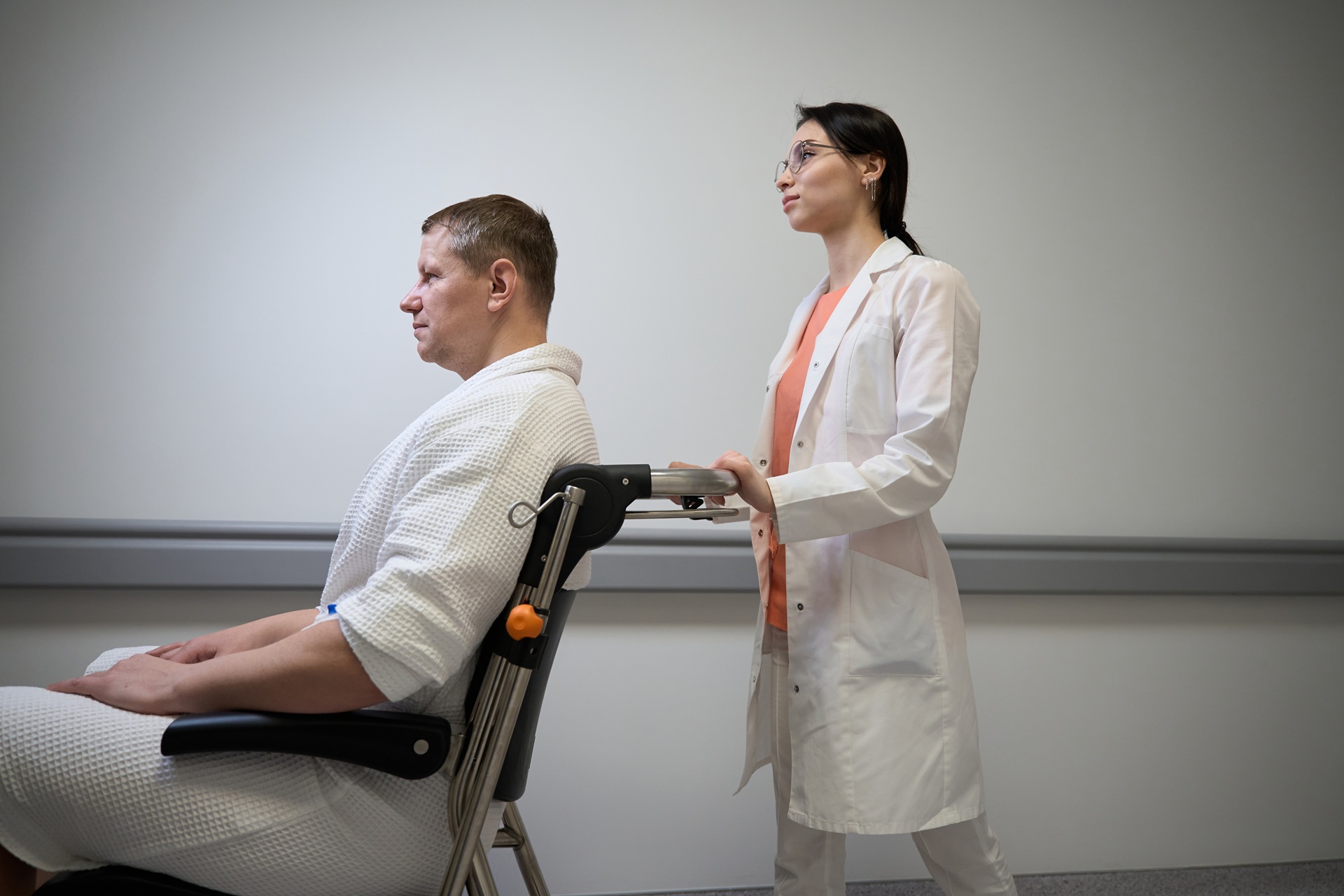
The legal process for your spinal injury lawsuit
Understanding the legal process helps you prepare for the journey ahead and work effectively with our personal injury attorney to secure maximum compensation for your spinal cord injury.
- Initial case evaluation: We review medical records, accident reports, and evidence to determine liability and assess the full scope of your damages, including future care needs and lost earning capacity.
- Investigation and evidence gathering: This phase involves collecting witness statements, expert medical opinions, accident reconstruction reports, and documentation of all economic and non-economic losses related to your injury.
- Filing the lawsuit: If settlement negotiations fail to produce a fair offer, we file a formal complaint in Connecticut Superior Court, beginning the litigation process that may lead to trial.
- Discovery and expert testimony: Both sides exchange information, take depositions, and retain medical experts to testify about the extent of your injuries and future care requirements.
- Negotiation and potential trial: Most cases settle during this phase, but if insurance companies refuse fair compensation, your case proceeds to trial, where a jury determines the appropriate award amount.
Learn how our Trumbull personal injury lawyer can advocate for you and pursue maximum compensation following your injury.

Typical causes of spinal cord injuries that we see as experienced lawyers
Our legal team has represented clients whose spinal cord injuries resulted from various types of accidents, each presenting unique challenges in establishing liability and securing appropriate compensation.
- Motor vehicle accidents: High-speed collisions, rollover accidents, and crashes involving commercial trucks frequently cause severe spinal cord trauma due to the tremendous forces involved in these impacts.
- Construction site accidents: Falls from heights, equipment malfunctions, and being struck by heavy machinery create substantial risks for workers in the construction industry, often resulting in catastrophic spinal injuries.
- Medical malpractice: Surgical errors, misdiagnosed spinal conditions, and delayed treatment can worsen existing spinal problems or create new injuries that permanently affect a patient’s neurological function.
- Slip and fall incidents: Property owners’ negligence in maintaining safe premises can lead to falls that cause vertebral fractures, compression injuries, and other spinal cord damage requiring extensive rehabilitation.
⚖️ Determining the exact cause of your spinal cord injury becomes vital in identifying all potentially liable parties and maximizing your compensation recovery.
| Injury Type | Average Settlement Range | Typical Recovery Time |
|---|---|---|
| Minor spinal strain | $15,000 – $50,000 | 6-12 weeks |
| Herniated discs | $15,000 – $850,000 | 3-18 months |
| Spinal fracture | $200,000 – $750,000 | 6 months – 2 years |
| Complete spinal cord injury | $100,000 to $2.5 million | Permanent |
💡 Hypothetical Scenario: A construction worker falls from scaffolding due to inadequate safety measures, resulting in a complete T12 spinal cord injury that leaves him paralyzed from the waist down. The settlement in such a case could exceed $1 million, accounting for lifetime medical care, lost earning capacity, home modifications, and pain and suffering.
Trust our experienced attorneys for expert legal advice
With decades of experience in Connecticut personal injury law, our team has the expertise needed to secure maximum compensation for your spinal cord injury case. We understand that spinal cord injuries are among the most devastating injuries our clients face, requiring immediate action and knowledgeable legal representation.
Connecticut residents benefit from exceptional medical care resources, including specialized treatment at Hospital for Special Care in New Britain, which offers comprehensive spinal cord injury rehabilitation programs.
Our commitment to securing the compensation you deserve includes thorough case preparation, expert witness testimony, and aggressive negotiation with insurance companies. We work on a contingency basis, meaning you don’t pay unless we win your case.
Go With Who You Know. Call Park Avenue Paul at +1 203-884-7075 or reach us through our online contact form for your free consultation.

FAQs
What factors most significantly impact spinal cord injury settlement amounts in Connecticut?
The severity of your spinal cord injury and its impact on your ability to work represent the most significant factors in determining compensation. Complete injuries requiring lifetime care typically result in settlements exceeding $1 million, while partial injuries with some recovery potential average $250,000 to $750,000, depending on the specific circumstances of your case.
How does Connecticut's comparative negligence law affect my spinal cord injury claim?
Connecticut follows a modified comparative negligence system where you can recover compensation as long as you’re less than 51% at fault for the accident. Your settlement amount will be reduced by your percentage of responsibility, so if you’re found 20% at fault, your compensation decreases by that same percentage.
How long do I have to file a spinal cord injury claim after my accident in Connecticut?
Connecticut’s statute of limitations requires you to file your personal injury claim within two years of your accident date. Filing beyond this deadline typically bars you from recovering any compensation, making it important to contact an attorney promptly to protect your legal rights and begin building your case.
What should I expect during my first meeting with your law firm?
During your initial consultation, we’ll review your medical records, discuss the circumstances of your accident, and evaluate the strength of your claim. We’ll explain your legal options, answer your questions about the process, and provide an honest assessment of your case’s potential value based on our experience with similar spinal cord injury cases.
What makes your law firm different from other personal injury attorneys in Connecticut?
Our experience as both practicing attorneys and former Judge of Probate gives us unique insight into how cases are evaluated by courts and insurance companies. We combine this courtroom experience with a client-centered approach, ensuring clear communication throughout your case while fighting aggressively for maximum compensation.
How do you calculate the value of my spinal cord injury case?
Case valuation depends on multiple factors, including your medical expenses, lost wages, future care needs, pain and suffering, and impact on your quality of life. We work with medical experts and economists to project lifetime costs, especially for younger victims who may require decades of ongoing treatment and assistive devices.
Remember that settlement cannot fully compensate for the life-changing impact of a spinal cord injury, but securing adequate compensation ensures you have the resources needed for the best possible care and quality of life moving forward.

Author
Alexa focuses on personal injury and car accident litigation throughout Fairfield County.