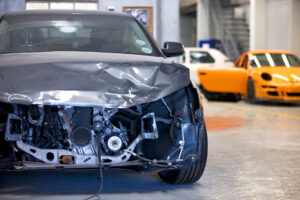


At Ganim Legal, P.C., our rear-end settlement calculator in Connecticut helps accident victims estimate potential compensation for injuries and damages.
From our experience representing Connecticut drivers, rear-end collision settlements typically range from $2,000 for minor soft tissue injuries to over $500,000 for severe injuries causing permanent disabilities.
While this calculator offers valuable insight into settlement ranges, it cannot replace the personalized evaluation our experienced team provides.
⚖️ Every rear-end collision has unique circumstances that significantly impact your final settlement amount. Use this calculator as a starting point, then speak with our attorneys to learn the true value of your case.
Contact our Bridgeport car accident lawyer today for personalized guidance on your rear-end accident claim.

Our Rear-End Accident Settlement Calculator
Enter your information to receive an estimate based on Connecticut personal injury law:
Calculator Input Fields:
- Medical Expenses: Total cost of emergency care, hospital stays, surgeries, medications, physical therapy, and all treatment related to your injuries.
- Future Medical Expenses: Estimated ongoing treatment costs based on medical opinions and prognosis for your recovery.
- Property Damage: Cost to repair or replace your vehicle and any other damaged personal property.
- Lost Income: Wages you couldn’t earn because your injuries prevented you from working.
- Future Lost Income: Projected earnings loss if your injuries cause long-term or permanent work limitations.
- Pain and Suffering Multiplier: A factor between 1.5 and 5 applied based on injury severity, with higher numbers for more serious or permanent injuries.
- Your Degree of Fault: Percentage of responsibility attributed to you under Connecticut’s comparative negligence law.
Disclaimer: This rear-end collision settlement calculator provides estimates for informational purposes only and does not constitute legal advice. Every case involves unique factors that can significantly affect settlement value. For a comprehensive evaluation of your specific situation, schedule a free consultation with our team.
Selected Value: 0%
How We Help Rear-End Accident Victims in Connecticut
We represent Connecticut drivers, passengers, and pedestrians injured in rear-end collisions throughout Fairfield County and beyond. Our team handles every aspect of your case while you focus on recovery.
From the moment you contact us, we investigate the accident, gather evidence, document your injuries, and build a strong case for maximum compensation. We deal directly with insurance companies so you don’t face pressure tactics or lowball settlement offers alone.
Our contingency fee arrangement means you pay nothing unless we win your case. We advance all case expenses and only collect our fee from your settlement or verdict.
Contact us today to learn how we can help with your rear-end accident claim.
📌 We understand you might not be ready to talk to someone straight away, so you can fill in the form below, and we will get back to you as soon as possible. Time is of the essence!
Connecticut Rear-End Accident Settlements
Rear-end collision settlements in Connecticut typically range from $2,000 for minor soft tissue injuries to over $500,000 for severe injuries with lasting effects. The specific value of your case depends on injury severity, medical treatment requirements, liability factors, and available insurance coverage.
Connecticut law allows victims to recover both economic damages (medical bills, lost wages, property damage) and non-economic damages (pain, suffering, loss of enjoyment of life). Unlike some states, Connecticut has no cap on non-economic damages in most personal injury cases.
We help you identify all compensable damages and build comprehensive documentation that reflects the full impact of the collision on your life, including current expenses, future medical needs, permanent limitations, and emotional toll.
💡 Additional reading: what is the average payout for a rear-end collision
Damages Covered in Rear-End Accident Claims
Economic Damages
Economic damages represent the measurable financial losses you’ve suffered due to the rear-end collision:
- Medical treatment costs: Emergency room visits, diagnostic tests, surgeries, prescription medications, physical therapy, chiropractic care, and all healthcare expenses directly related to your injuries.
- Lost wages and income: Compensation for time missed from work during recovery, including salary, overtime, bonuses, and employment benefits you would have received.
- Future medical expenses: Anticipated costs for ongoing treatment, rehabilitation, assistive devices, home modifications, and long-term care based on medical expert opinions.
- Property damage: Repair or replacement value for your vehicle, plus damage to personal items like laptops, phones, or other belongings inside your car.
Non-Economic Damages
Non-economic damages compensate for the intangible ways the accident affected your life:
- Physical pain and suffering: Compensation for the actual pain, discomfort, and physical limitations you experience both immediately after the accident and throughout your recovery.
- Emotional distress: Damages for anxiety, depression, fear of driving, sleep disturbances, PTSD symptoms, and other psychological effects resulting from the collision.
- Loss of enjoyment: Compensation for being unable to participate in hobbies, sports, exercise, family activities, and other pleasures you enjoyed before your injuries.
- Disfigurement and scarring: Additional compensation when injuries result in permanent scars, burns, or other visible changes to your appearance.
Punitive Damages in Connecticut
Connecticut law allows punitive damages in rare cases involving extreme recklessness or intentional misconduct. However, state statutes limit these damages to litigation costs and attorneys’ fees rather than the substantial multipliers available in other states.
Our attorneys evaluate whether your specific case meets Connecticut’s strict standards for punitive awards and advise you on all available forms of compensation based on the defendant’s conduct.

Calculating Pain and Suffering in Rear-End Collisions
Determining fair compensation for pain and suffering represents one of the most challenging aspects of settlement negotiations. We use established methods to estimate these non-economic damages based on your specific injuries and circumstances.
💡 Our calculator uses the multiplier method, which applies to most Connecticut rear-end accident settlements and provides a reliable starting point for negotiations.
The Multiplier Method
The multiplier method applies a factor between 1.5 and 5 to your total economic damages (medical expenses plus lost wages) to calculate pain and suffering. The severity and permanence of your injuries determine which multiplier applies to your case.
Minor injuries like soft tissue strains that heal completely within weeks typically use multipliers of 1.5 to 2. Moderate injuries requiring surgery or causing lasting limitations might warrant multipliers of 2.5 to 3.5.
Severe injuries resulting in permanent disability, chronic pain, or life-altering limitations often justify multipliers of 4 to 5. We present medical evidence, expert testimony, and documentation of how your injuries affect daily life to support higher multipliers that accurately reflect your experience.
The Per Diem Approach
The per diem method assigns a dollar amount to each day you suffer from your injuries, then multiplies that daily rate by the number of days from the accident until you reach maximum medical improvement. This daily rate often correlates to your actual earnings, recognizing that dealing with pain equals the difficulty of working.
This approach works best for injuries with clear recovery timelines and definitive end dates. We evaluate which calculation method best fits your situation and present the strongest case for your non-economic damages.
Our Strategic Approach
We often combine elements of both methods to build the strongest possible case for your non-economic damages. While initial calculations may use the multiplier approach, we incorporate per diem considerations when they strengthen your claim and better represent your experience.
Connecticut law gives us flexibility to choose whichever calculation method best fits your situation. We back our approach with solid medical evidence, expert opinions, and compelling testimony about how the accident changed your life.
How Connecticut Law Affects Your Settlement Amount
Modified Comparative Negligence Rule
Connecticut follows a modified comparative negligence system that can significantly impact your settlement. Under the law, your compensation reduces by your percentage of fault in causing the accident.
If you’re found 20% responsible for the collision, your settlement decreases by 20%. The law completely bars recovery if you’re more than 50% at fault.
In rear-end accidents, the following vehicle typically bears full responsibility since drivers must maintain safe following distances. We counter any insurance company arguments that attempt to shift fault onto you for sudden stops, brake light failures, or other contributing factors.
Two-Year Statute of Limitations
Connecticut law gives you two years from the accident date to file a personal injury lawsuit for injuries sustained in rear-end collisions. This deadline is strictly enforced by Connecticut courts and missing it permanently eliminates your right to compensation.
Property damage claims have a separate three-year deadline. We ensure all deadlines are met and evidence is preserved while fresh, protecting your right to full compensation.
Minimum Insurance Requirements
Connecticut requires drivers to carry minimum liability coverage of $25,000 per person and $50,000 per accident for bodily injury, plus $25,000 for property damage. These minimum limits often don’t cover serious injuries, leaving victims with significant uncovered damages.
We examine all available coverage sources including your underinsured motorist policy to maximize your recovery when the at-fault driver lacks adequate insurance.
Real Case Results from Our Firm
Our track record demonstrates our commitment to securing substantial compensation for accident victims:
$283,544 Plus Interest: The Plaintiff, a 40-year-old man, was awarded plus interest after being rear-ended while stopped at a red light on East Main Street in Stamford. The Defendant failed to keep a proper lookout and was traveling at an unreasonable speed at the time of the accident. The Plaintiff suffered from serious neck and back injuries as a result. The jury deliberated for three hours before returning a verdict.
$295,000 Settlement: The Plaintiff, a 39-year-old man, was awarded in a special arbitration against the City of Bridgeport for a bus accident. The Plaintiff was thrown around the inside of the bus when a car struck it. He had to undergo three different abdominal surgeries as a result and has permanent back and spinal disabilities as a result.
These results reflect our thorough investigation, expert medical testimony coordination, and aggressive advocacy to achieve fair compensation for our clients.
Contact us to discuss your rear-end accident case and potential settlement value.

Common Injuries from Rear-End Collisions
Rear-end impacts create unique injury patterns due to the sudden acceleration forces that whip occupants forward then backward. We work with medical experts to establish the connection between these injuries and your accident.
Whiplash and Soft Tissue Injuries
Whiplash occurs when your head and neck snap forward then backward in rapid succession, straining muscles, ligaments, and tendons. Symptoms often include neck pain, stiffness, headaches, shoulder pain, and reduced range of motion.
While insurance companies sometimes dismiss whiplash as minor, severe cases can cause chronic pain and long-term limitations. We ensure proper medical documentation and consistent treatment records prove the extent and duration of your symptoms.
Spinal Injuries and Herniated Discs
The impact force from rear-end collisions can herniate or bulge spinal discs, causing severe back pain, numbness, tingling, and weakness in your extremities. These injuries often require surgery and result in permanent limitations affecting your ability to work and enjoy activities.
Research from Yale School of Medicine has advanced knowledge of spinal injury mechanisms and treatment options. We work with medical experts who explain how the specific forces in your accident caused your spinal injuries.
Traumatic Brain Injuries
Even without direct head impact, the rapid acceleration can cause your brain to strike the inside of your skull, resulting in concussions or more severe traumatic brain injuries. Symptoms include headaches, dizziness, confusion, memory problems, mood changes, and sensitivity to light or noise.
We ensure your treatment plan addresses both current symptoms and potential long-term cognitive effects documented by neurological specialists.
Other Common Injuries
Rear-end collisions also frequently cause facial injuries from airbag deployment, broken bones from bracing against the steering wheel or dashboard, chest injuries from seatbelt force, and psychological trauma including anxiety and PTSD.
We coordinate with healthcare providers to document all injuries comprehensively and ensure each injury type receives specific medical evidence and expert testimony to establish causation and support appropriate compensation.
Factors That Increase Your Settlement Value
Multiple elements influence how much compensation you can recover from a rear-end collision. We analyze these factors to build the strongest possible case for maximum settlement.
- The severity of your injuries directly correlates to settlement value. Injuries requiring surgery, causing permanent disability, or affecting your ability to work command significantly higher compensation than minor injuries that heal completely.
- Clear liability strengthens your negotiating position substantially. Rear-end accidents typically involve obvious fault since the following driver has a legal duty to maintain safe distance. We gather evidence to preserve this liability presumption and counter any attempts to shift blame.
- Comprehensive medical documentation linking your injuries directly to the accident proves essential for maximum compensation. We work with your healthcare providers to ensure records include emergency room visits, diagnostic imaging results, specialist reports, treatment plans, and physician statements about future medical needs.
- Strong witness testimony supporting your version of events can overcome insurance company attempts to minimize damages. We locate and interview witnesses while memories remain fresh and evidence is readily available.
- Available insurance coverage sometimes limits your total recovery regardless of your actual damages. We explore all coverage sources including your underinsured motorist policy and other potentially liable parties when the at-fault driver carries only minimum coverage.
- Pre-existing conditions require careful handling since insurance companies attempt to attribute current symptoms to prior health issues rather than the accident. We coordinate with medical experts who differentiate between pre-existing conditions and new injuries or aggravation caused by the collision.
| Settlement Factor | Impact on Value | Our Approach |
| Injury Severity | Higher for permanent disability or surgical intervention | Document all symptoms, limitations, and long-term prognosis |
| Medical Documentation | Critical for proving damages | Work directly with providers for comprehensive records |
| Liability Clarity | Strong when fault is obvious | Gather police reports, witness statements, accident reconstruction |
| Insurance Coverage | Can limit maximum recovery | Identify all available coverage sources |
| Lost Income | Higher for extended work absences | Obtain employer verification and vocational expert opinions |
| Pain Impact on Life | Higher for significant lifestyle changes | Collect client journals, family testimony, activity restrictions |
Schedule a free consultation to get a personalized evaluation of your rear-end accident case.
What Makes Rear-End Accidents Different
Rear-end collisions create a presumption of fault against the following driver in Connecticut. This legal presumption recognizes that drivers have a duty to maintain safe following distances and adjust speed based on traffic conditions.
Insurance companies for at-fault drivers typically can’t deny liability in clear rear-end cases. This shifts negotiations to focus on damages rather than fault, often resulting in faster settlements when injuries are well-documented.
However, certain circumstances can complicate this presumption. If the front vehicle’s brake lights didn’t work, the driver reversed suddenly, or the vehicle stopped without valid reason in moving traffic, the following driver might argue shared responsibility.
We investigate all accident circumstances to preserve the liability presumption and counter any attempts to shift blame onto our clients through police reports, traffic camera footage, and witness statements.
💡 Additional reading: who is at fault in a rear-end accident
Limitations of Settlement Calculators
While our calculator provides valuable estimates, we want you to recognize why professional legal guidance matters for your case and how we can help you navigate the complexities that no automated tool can address.
Cannot Replace Attorney Evaluation
No automated tool can match the insight we provide by applying our experience with Connecticut courts, comparative negligence evaluation, pain and suffering assessment, and case-specific factors. We identify legal strategies and settlement opportunities that calculators can’t recognize.
Simplified Damage Calculations
The calculator uses the standard multiplier method to estimate non-economic damages, which simplifies a complex evaluation process. We assess the actual pain and suffering values by considering injury visibility to juries, impact on your specific life circumstances, and how effectively we can present your story.
Doesn’t Account for Policy Limits
Your actual recovery may be constrained by the at-fault driver’s insurance policy limits or your underinsured motorist coverage. We explore all available coverage sources and advise you on realistic recovery expectations when calculated damages exceed available insurance.
Cannot Predict Jury Decisions
If your case proceeds to trial, jury verdicts vary dramatically based on unpredictable factors including juror sympathy, defendant conduct perceptions, and how compelling witnesses appear. We prepare every case for trial while pursuing maximum settlements, giving you the strongest position regardless of whether your case settles or goes to verdict.
Doesn’t Reflect Attorney Skill Impact
Our team’s reputation and track record often secure results far beyond insurance companies’ initial offers because they know we’ll take strong cases to trial. We leverage our experience and negotiation ability to maximize your settlement outcomes.
Steps to Take After a Rear-End Collision in Connecticut
Taking appropriate action immediately after a rear-end accident protects your health, preserves evidence, and strengthens your legal claim. We guide you through each critical step to ensure your rights remain protected.
- Seek immediate medical evaluation even if you feel fine. Many serious injuries including concussions, internal injuries, and soft tissue damage have delayed symptoms that worsen without treatment. Medical records created immediately after the accident provide critical evidence linking your injuries to the collision.
- Call 911 to report the accident and request police response. Connecticut law requires accident reports within five days for collisions causing injury, death, or property damage exceeding $1,000. Police reports document fault and provide objective evidence for your claim.
- Gather evidence at the scene if you’re able. Photograph vehicle damage from multiple angles, skid marks, traffic signals, road conditions, and visible injuries. Get contact information from all drivers, passengers, and witnesses.
- Notify your insurance company about the accident but avoid detailed statements about injuries or fault without attorney guidance. Insurance adjusters often use recorded statements to minimize your claim value or establish comparative fault.
- Document all expenses and impacts from the accident. Keep copies of medical bills, prescription receipts, repair estimates, and employer statements about missed work. Maintain a journal describing pain levels, activity limitations, and emotional effects.
- Contact us before accepting any settlement offers. Insurance companies often pressure victims to settle quickly for amounts far below fair value while injuries remain incompletely diagnosed. We protect you from these tactics and ensure you receive full compensation.
Insurance Company Tactics in Rear-End Cases
Insurance adjusters use specific strategies to minimize payouts on rear-end collision claims. We recognize these tactics and protect you from statements or actions that could reduce your settlement.
Adjusters often contact victims immediately after accidents, offering quick settlements before injury extent becomes clear. These early offers rarely reflect true damages. We intervene to prevent you from accepting offers that waive your right to additional compensation when problems develop.
They request recorded statements designed to trap you into admitting fault or minimizing injuries. We handle all communications with insurance companies, preventing phrases like “I’m fine” or “It wasn’t that bad” from being used against you when serious injuries emerge.
Insurance companies access your social media seeking posts that contradict injury claims. We advise you on protecting your online presence throughout your case, preventing single photos from being taken out of context to argue you’re not as injured as claimed.
They delay claim processing, hoping financial pressure will force you to accept low settlements. We counter these tactics by demonstrating our willingness to take your case to trial, which typically results in higher settlement offers.
Adjusters argue your injuries resulted from pre-existing conditions rather than the accident. We coordinate with medical experts who definitively establish causation and distinguish between prior conditions and new injuries.
Our legal representation signals you won’t accept unfair treatment. Insurance companies take us seriously and typically offer higher settlements, knowing we’ll take strong cases to trial.

How Medical Evidence Strengthens Your Case
Comprehensive medical documentation forms the foundation of every successful rear-end collision settlement. We ensure the quality and completeness of your medical records directly maximize your compensation amount.
- Immediate post-accident medical evaluation establishes causation by documenting injuries before other causes could be argued. We collect emergency room records, ambulance reports, and initial physician notes that prove injuries occurred from the collision.
- Diagnostic imaging, including X-rays, MRIs, and CT scans, provides objective evidence of injuries that insurance companies can’t dispute. We ensure these tests document herniated discs, fractures, brain injuries, and internal damage invisible to external examination.
- Consistent treatment following your physician’s recommended plan demonstrates injury severity and your commitment to recovery. We monitor your treatment progress to prevent gaps that allow insurance adjusters to argue injuries weren’t serious or have healed.
- Specialist evaluations from orthopedists, neurologists, pain management doctors, and physical therapists provide expert opinions about your injuries, necessary treatment, and long-term prognosis. We coordinate with these specialists to secure compelling testimony for settlement negotiations and potential trial.
We work directly with your healthcare providers to ensure all injuries are properly documented, and medical records clearly link each condition to the accident. This coordination prevents documentation gaps that could weaken your claim.
The Settlement Negotiation Process
We handle all aspects of settlement negotiations to secure the maximum compensation you deserve while keeping you informed throughout the process.
- We begin by sending a detailed demand letter to the insurance company outlining liability evidence, injury documentation, economic damages, and non-economic damage calculations. This demand establishes our position and starts formal negotiations.
- The insurance company typically responds with a lower counteroffer, often significantly below your demand. We evaluate each offer against the true value of your case rather than accepting offers that don’t reflect fair value.
- We counter their offers with detailed rebuttals addressing their arguments, providing additional evidence, and adjusting our demand based on new information or developments in your medical condition. This back-and-forth continues through multiple rounds while we maintain aggressive advocacy for maximum compensation.
- Most cases settle after several negotiation rounds without needing litigation. However, when insurance companies won’t offer fair compensation, we file a lawsuit and prepare for trial while continuing settlement discussions.
- Our willingness to try your case creates the strongest negotiating position. Insurance companies offer higher settlements when they know we’ll take the case to verdict if they don’t pay fairly.
- Throughout negotiations, we keep you informed about all offers and provide honest advice about whether to settle or proceed toward trial. The final decision about accepting any settlement always remains yours, and we ensure you have all information necessary to make informed choices.
Call (203)884-7075 or contact us online to speak with an experienced rear-end accident attorney about your case.

Why Choose Ganim Legal for Your Rear-End Accident Case
We’ve spent decades representing Connecticut accident victims and deliver results through aggressive advocacy combined with genuine compassion for what you’re experiencing.
Attorney Paul Ganim’s dual role as a personal injury attorney and elected Probate Judge for Bridgeport provides a unique courtroom experience that insurance companies respect. This background translates to stronger negotiations and better results for our clients.
We work on contingency, meaning you pay no attorney fees unless we win your case. This arrangement eliminates financial barriers to quality representation and aligns our interests completely with yours—we succeed only when you receive compensation.
Our local knowledge of Connecticut courts, judges, insurance companies, and opposing attorneys provides strategic advantages throughout your case. We know how Fairfield County juries evaluate cases and what evidence resonates most powerfully.
You’ll receive personal attention from our team rather than being passed off to paralegals or junior associates. We limit our caseload to ensure every client gets the time and focus their case deserves.
We’ve recovered millions of dollars for accident victims across Connecticut, with numerous settlements and verdicts exceeding six figures. Our results demonstrate our commitment to maximizing compensation for every client.
Get Your Free Case Evaluation Today
The rear-end settlement calculator provides a helpful starting point, but we can analyze all factors affecting your claim and develop a strategy tailored to your specific circumstances.
Insurance companies employ teams of adjusters and attorneys working to minimize payouts. We provide equally skilled representation advocating exclusively for your interests and fighting for every dollar of compensation you deserve.
Connecticut’s two-year statute of limitations means time is critical. We preserve crucial evidence, prevent witnesses’ memories from fading, and ensure medical records remain readily available by beginning work on your case immediately.
Go With Who You Know. Call Park Avenue Paul at (203)884-7075 or schedule your free consultation online to discuss your rear-end accident case today.

FAQs
How long does it take to settle a rear-end accident case in Connecticut?
Most rear-end collision cases settle within three to six months for straightforward claims with clear liability and minor injuries. Complex cases involving severe injuries, permanent disabilities, or disputed fault can take 12-24 months to reach resolution. We work efficiently to document your injuries fully while pursuing the maximum settlement, ensuring you don’t accept compensation before knowing the complete extent of your damages and recovery needs.
Can I still get compensation if I was partially at fault for the rear-end accident?
Yes, you can recover compensation as long as you’re 50% or less at fault under Connecticut’s modified comparative negligence law. Your settlement reduces by your percentage of fault—if you’re 20% responsible, your compensation decreases by 20%. We counter insurance company attempts to inflate your fault percentage and present evidence establishing the rear driver’s primary responsibility for maintaining safe following distance.
What should I do immediately after being rear-ended in Connecticut?
Seek medical attention immediately even if you feel fine, as many serious injuries have delayed symptoms. Call 911 to request police response and create an official accident report. Photograph all vehicle damage, road conditions, and visible injuries while gathering driver and witness contact information. Notify your insurance company but avoid giving recorded statements without attorney guidance, then contact us before accepting any settlement offers.
Will the other driver's insurance company pay for my rental car after a rear-end collision?
The at-fault driver’s property damage liability coverage typically covers reasonable rental car expenses while your vehicle is being repaired or until you receive settlement for total loss. We help you secure rental reimbursement and ensure the insurance company doesn’t pressure you to accept repairs or settlements before getting adequate transportation coverage during your vehicle’s repair period or replacement process.
How much is my rear-end collision case worth in Connecticut?
Settlement values depend on injury severity, medical treatment costs, lost income, permanent limitations, and pain and suffering multipliers between 1.5 and 5. Minor soft tissue injuries typically settle for $2,000-$15,000 while severe injuries causing permanent disability can exceed $500,000. We evaluate all damages including future medical needs and lost earning capacity to determine your case’s true value rather than accepting insurance company lowball offers.

Author
Alexa focuses on personal injury and car accident litigation throughout Fairfield County.