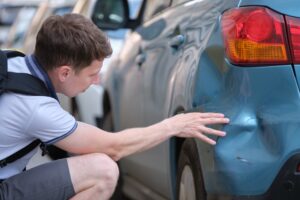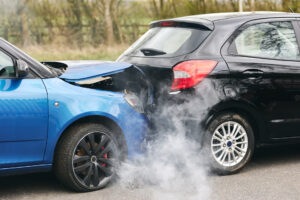


The average hit by drunk driver settlement in Connecticut is from $25,000 to $800,000. The wide range reflects the complex nature of these cases and the varying degrees of harm caused by drunk driving incidents.
Several factors affect this amount:
- Severity of injuries sustained
- Medical expenses and ongoing treatment costs
- Lost wages and reduced earning capacity
- Property damage to your vehicle
- Pain and suffering endured
- Insurance coverage limits
- Strength of evidence against the drunk driver
Being hit by a drunk driver can turn your life upside down in an instant. You may face mounting medical bills, lost income, and physical pain that affects every aspect of your daily life.
The financial burden can become overwhelming, especially when you’re trying to focus on recovery. Without proper legal representation, insurance companies may try to minimize your claim or pressure you into accepting a settlement that doesn’t fully compensate you for your losses.
At Ganim Legal, P.C., we understand the devastating impact a drunk driving accident can have on your life. Our experienced team has successfully secured significant settlements for our clients:
- $5.5 million: Awarded to a 62-year-old woman who was hit by a truck on the sidewalk on Harral Avenue in Bridgeport while waiting, struck by a Coca-Cola delivery vehicle while it was backing up, and then struck again when it pulled forward, resulting in serious injuries including multiple broken bones and permanent disability.
- $1.5 million: Awarded to a 28-year-old woman who was struck by a vehicle while crossing Main Street in Bridgeport when the defendant failed to yield the right of way, ran over her feet, and threw her over the hood of the vehicle, causing regional sympathetic dystrophy.
- $283,544: Plus interest awarded to a 40-year-old man who was rear-ended while stopped at a red light on East Main Street in Stamford when the defendant failed to keep a proper lookout and was traveling at an unreasonable speed, resulting in serious neck and back injuries.
Our experienced Bridgeport car accident lawyer is ready to evaluate your case and fight for the compensation you deserve.

Knowing potential settlement amounts can help you make informed decisions about your case. Our car accident settlement calculator provides a preliminary estimate based on your specific circumstances.
Disclaimer: The results generated by this car accident settlement calculator are for informational and illustrative purposes only. They do not constitute legal advice or a substitute for professional evaluation of your case.
Selected Value: 0%
Our dedicated Stratford car accident attorney will provide personalized guidance tailored to your unique situation.
I got hit by a drunk driver, what am I entitled to?
Victims of drunk driving accidents may be entitled to both economic and non-economic damages, with the potential for punitive damages due to the criminal nature of driving under the influence. Connecticut law recognizes that drunk driving represents particularly egregious conduct that warrants additional compensation beyond standard accident claims.
1. Economic damages
Economic damages represent the tangible financial losses you’ve experienced due to the drunk driving accident. These damages are calculated based on actual costs and lost income that can be documented with receipts, bills, and employment records.
The goal is to restore you to the financial position you would have been in if the accident had never occurred. This includes compensation for immediate expenses as well as future financial losses related to your injuries.
Common economic damages include:
- Medical expenses for emergency treatment, hospitalization, and surgery
- Ongoing rehabilitation and physical therapy costs
- Lost wages from time away from work
- Reduced earning capacity if you cannot return to your previous job
- Property damage to your vehicle and personal belongings
- Transportation costs for medical appointments
- Home modifications needed due to disability
To see how drunk driving claims compare to other personal injury settlements, explore our full list of personal injury settlement amounts examples.
2. Non-economic damages
Non-economic damages compensate for the intangible losses that don’t have a specific dollar value but significantly impact your quality of life. These damages acknowledge the human cost of the drunk driving incident beyond financial expenses.
⚖️ Connecticut law recognizes that victims deserve compensation for the emotional and physical suffering caused by another person’s reckless decision to drive while intoxicated. The amount awarded depends on the severity of your injuries and their long-term impact on your daily life.
Typical non-economic damages include:
- Pain and suffering from your injuries
- Emotional distress and trauma
- Loss of enjoyment of life and activities
- Inconvenience and lifestyle changes
- Mental anguish and anxiety
- Loss of consortium for married couples
- Permanent disability or disfigurement

3. Punitive damages for a DUI
Punitive damages are awarded to punish the drunk driver and deter others from engaging in similar conduct. Unlike compensatory damages, these aren’t meant to make you whole but rather to send a message that drunk driving will not be tolerated.
Connecticut courts may award punitive damages in cases involving gross negligence or willful misconduct. Driving under the influence often meets this standard because it represents a conscious disregard for public safety.
Factors that may lead to punitive damages include:
- Extremely high blood alcohol content
- Previous DUI convictions on the driver’s record
- Reckless behavior beyond just drinking and driving
- Injuries to multiple victims in the crash
- Evidence of deliberate intoxication despite knowing they would drive
Curious how DUI cases stack up to standard claims? Learn more in our guide to the average car accident settlement in Connecticut.
Drunk driver settlement amounts by type
The type of collision significantly affects settlement amounts, with certain crash scenarios typically resulting in more severe injuries and higher compensation. Knowing these differences can help you establish realistic expectations for your case.
| Collision Type | Average Settlement Range | Common Injuries |
|---|---|---|
| Rear-end collision | $25,000 – $150,000 | Whiplash, back injuries, concussion |
| Head-on collision | $50,000 – $750,000 | Traumatic brain injury, broken bones, internal injuries |
| T-bone/Side impact | $75,000 – $500,000 | Rib fractures, organ damage, spinal injuries |
| Pedestrian accidents | $200,000 – $800,000 | Multiple fractures, head trauma, permanent disability |
Rear-ended by a drunk driver settlement
The average rear-end by drunk driver settlement amount in Connecticut is $25,000 to $150,000, depending on the severity of injuries and property damage involved. Rear-end collisions are among the most common types of drunk driving accidents, often occurring when an impaired driver fails to brake in time.
While rear-end accidents may seem less severe than other collision types, they can still result in significant injuries, particularly when the at-fault driver is traveling at high speeds. The impact can cause whiplash, herniated discs, and traumatic brain injuries that require extensive medical treatment and rehabilitation.
Head-on collision
The average head-on collision settlement amount is $50,000 to $750,000, reflecting the catastrophic nature of these accidents. Head-on crashes typically occur when a drunk driver crosses into oncoming traffic, resulting in devastating consequences for all parties involved.
These accidents often involve the highest settlement amounts because they frequently cause life-threatening injuries or wrongful death. The force of two vehicles colliding head-on can cause traumatic brain injuries, spinal cord damage, and multiple organ trauma that may require lifelong medical care.
Our skilled car accident lawyer in Milford is fully equipped to handle even the most complex cases. With a deep knowledge of Connecticut law and a commitment to achieving the best possible outcome, we’re here to support you every step of the way.
Factors that influence settlement amounts in Connecticut
Multiple factors influence the final settlement amount in drunk driving cases, with each element playing an essential role in determining fair compensation. Knowing these factors helps you evaluate whether a settlement offer adequately reflects the true value of your claim.
Severity of injuries
The severity of injuries is the primary factor in determining settlement value, as more serious injuries typically require extensive medical treatment and result in higher compensation. Courts and insurance companies consider both the immediate impact of your injuries and their long-term consequences on your ability to work and enjoy life.
Catastrophic injuries such as traumatic brain injuries, spinal cord damage, or permanent disability can result in settlements exceeding $1 million. These cases often involve lifetime medical expenses, ongoing care needs, and significant pain and suffering awards.
Liability and fault determination
Connecticut follows a comparative negligence system, meaning your settlement may be reduced if you’re found partially at fault for the accident. However, drunk driving cases often involve clear liability on the part of the impaired driver, strengthening your position in settlement negotiations.
The strength of evidence against the drunk driver significantly affects settlement amounts, with factors such as blood alcohol content, field sobriety test results, and witness testimony all playing important roles. A higher blood alcohol level or evidence of extremely reckless behavior can increase the settlement value.
Insurance coverage limits
The at-fault driver’s insurance coverage limits directly impact the maximum amount available for settlement, regardless of your actual damages. According to the Connecticut General Assembly, Connecticut requires minimum liability coverage of $25,000 per person and $50,000 per accident for bodily injury, plus $25,000 for property damage.
Unfortunately, these minimum limits are often insufficient to cover the full extent of damages in serious drunk driving accidents. Your own uninsured/underinsured motorist coverage may provide additional compensation when the at-fault driver’s insurance is inadequate.
Location and venue
The location where your case is filed can influence settlement amounts, as different courts and jurisdictions may have varying approaches to damage awards.
💡 The specific courthouse and judge assigned to your case can also affect the outcome, making local legal experience vital for maximizing your settlement. Our familiarity with Connecticut courts gives us an advantage in negotiations.
Evidence and documentation
Strong evidence supporting your claim can significantly increase settlement value by making it difficult for the defense to dispute liability or the extent of your damages. This includes police reports, witness statements, medical records, and expert testimony about the accident reconstruction.
Photographic evidence from the scene, surveillance footage, and the drunk driver’s criminal conviction can all strengthen your case and lead to higher compensation. The more comprehensive your documentation, the better your chances of securing a fair settlement.

Who can you sue after being hit by a drunk driver?
Multiple parties may be held liable for your injuries in a drunk driving accident, expanding your options for recovering compensation beyond just the impaired driver. Identifying all potential defendants is vital for maximizing your settlement amount.
- The drunk driver: The primary defendant who chose to operate a vehicle while intoxicated and directly caused your injuries through their negligent actions.
- Bar or restaurant (dram shop liability): Establishments that served alcohol to a visibly intoxicated person may be held liable under Connecticut’s dram shop laws for contributing to the accident.
- Social hosts: Individuals who provided alcohol at private parties or gatherings may face liability if they served alcohol to someone who was already intoxicated.
- Employer: If the drunk driver was on duty or using a company vehicle, their employer may be held responsible under vicarious liability principles.
- Vehicle owner: If the drunk driver was operating someone else’s vehicle with permission, the owner may share liability for the accident.
- Alcohol retailer: Stores that sold alcohol to someone who was already intoxicated or to minors may face liability in certain circumstances.
Minimum CT insurance coverage
Connecticut requires all drivers to carry minimum liability insurance coverage to legally operate a vehicle on state roads. The current minimum requirements include $25,000 per person for bodily injury, $50,000 per accident for total bodily injury, and $25,000 for property damage.
⚠️ These minimum coverage amounts are often insufficient to cover the full extent of damages in serious drunk driving accidents, leaving victims with significant financial gaps.
Uninsured motorist coverage is also required in Connecticut, providing protection when you’re hit by a driver who lacks insurance or has insufficient coverage. This coverage can be vital in drunk driving cases where the at-fault driver may have limited financial resources or inadequate insurance.
Underinsured motorist coverage works similarly, filling the gap when the at-fault driver’s insurance limits are too low to cover your full damages. This coverage essentially allows you to file a claim against your own insurance company for the difference between the at-fault driver’s policy limits and your actual damages.
Should you accept the first settlement offer?
Most initial settlement offers from insurance companies are significantly lower than the true value of your claim, designed to minimize the company’s financial exposure rather than provide fair compensation. Insurance adjusters often make these offers before you’ve had time to fully understand the extent of your injuries and their long-term impact.
Consider that some injuries from drunk driving accidents may not manifest immediately, with symptoms appearing days or weeks after the incident. Accepting a quick settlement could leave you responsible for future medical expenses and complications that weren’t apparent at the time of the offer.
Our experienced attorneys will evaluate whether a settlement offer adequately compensates you for all your damages, including future medical needs, ongoing care costs, and the long-term impact on your quality of life. We’ll assess factors such as your prognosis, potential for full recovery, and how your injuries affect your ability to work and enjoy life.
Consulting with our legal team before accepting any settlement offer ensures you understand your rights and the full value of your claim. We’ll negotiate with insurance companies to secure a settlement that truly reflects the harm you’ve suffered and protects your future financial security.
Steps to take after being hit by a drunk driver
Taking the right steps after a drunk driving accident can significantly impact your ability to recover maximum compensation for your injuries and damages. These actions help preserve evidence, protect your legal rights, and strengthen your potential settlement claim.
- Seek immediate medical attention even if you don’t feel seriously injured, as some symptoms may not appear until hours or days after the accident.
- Contact our experienced legal team at +1 203-884-7075 as soon as possible to begin building your case and protecting your rights before evidence is lost or witness memories fade.
- Document all medical treatment and keep detailed records of your injuries, symptoms, and how they affect your daily activities.
- Preserve all financial records related to the accident, including medical bills, repair estimates, and documentation of lost wages.
- Follow your doctor’s treatment plan completely and attend all appointments to demonstrate the severity of your injuries and your commitment to recovery.
- Avoid discussing the accident with insurance adjusters or signing any documents without first consulting with our attorney.
- Keep a daily journal documenting your pain levels, limitations, and how your injuries impact your ability to work and enjoy life.
📌 Documenting pain, following treatment, and avoiding insurance traps are foundational steps that increase claim strength and settlement value.
Hypothetical scenario for a DUI case
A pedestrian was crossing at a marked crosswalk in downtown Hartford when struck by a drunk driver who ran a red light. The victim, a 45-year-old teacher, suffered a traumatic brain injury, multiple broken bones, and internal injuries requiring emergency surgery and months of rehabilitation.
The initial settlement calculator estimate suggested a range of $200,000 to $400,000 based on the medical expenses and lost wages. However, the victim’s attorney discovered that the drunk driver had a blood alcohol content of 0.18 (more than twice the legal limit) and had been previously convicted of DUI just two years earlier.
Investigation revealed that the driver had been served alcohol at a local bar despite showing obvious signs of intoxication. The attorney filed claims against both the drunk driver and the establishment under Connecticut’s dram shop laws, expanding the available insurance coverage and potential for punitive damages.
The case ultimately settled for $1.2 million, significantly higher than the initial calculator estimate and above the state average for similar cases. The settlement included compensation for lifetime medical care, permanent disability, lost earning capacity, and substantial pain and suffering damages resulting from the severe injuries sustained in the crash.
Need legal help to pursue a DUI settlement in Connecticut?
If you or a loved one has been injured by a drunk driver, don’t face this challenge alone. The physical, emotional, and financial consequences of these accidents can be overwhelming, but you don’t have to manage the legal process without experienced guidance.
Our team at Ganim Legal, P.C. understands the unique challenges of drunk driving cases and has the experience necessary to secure the maximum compensation you deserve. We’ll investigate every aspect of your case, identify all potential sources of recovery, and fight aggressively to ensure you receive fair treatment from insurance companies and the courts.
Contact our compassionate team today at +1 203-884-7075 for a free consultation to discuss your specific situation and learn how we will help you pursue justice.

FAQs
How long do I have to file a drunk driving accident claim in Connecticut?
Connecticut’s statute of limitations for personal injury claims is typically two years from the date of the accident. However, certain circumstances may affect this timeline, making it vital to consult with our attorney as soon as possible after your accident to ensure your rights are protected.
Can I still recover compensation if I was partially at fault for the accident?
Yes, Connecticut follows a comparative negligence system, which means you can still recover compensation even if you were partially responsible for the accident. Your settlement will be reduced by your percentage of fault, but you can still pursue a claim as long as you were less than 51% responsible for the crash.
What if the drunk driver doesn’t have insurance or sufficient coverage?
If the at-fault driver lacks insurance or has insufficient coverage, your own uninsured/underinsured motorist coverage may provide compensation for your damages. Additionally, other potentially liable parties, such as bars or employers, may have insurance coverage that could apply to your case.
How much does it cost to hire a drunk driving accident attorney?
Our firm works on a contingency fee basis, meaning you pay no attorney fees unless we successfully recover compensation for your case. This arrangement ensures that everyone has access to quality legal representation regardless of their financial situation during this difficult time.
What evidence should I preserve after a drunk driving accident?
Important evidence includes medical records, police reports, witness statements, photographs of the accident scene and vehicle damage, and documentation of all expenses related to your injuries. Additionally, any evidence of the driver’s intoxication, such as field sobriety tests or chemical test results, can be vital for your case.

Author
Alexa focuses on personal injury and car accident litigation throughout Fairfield County.